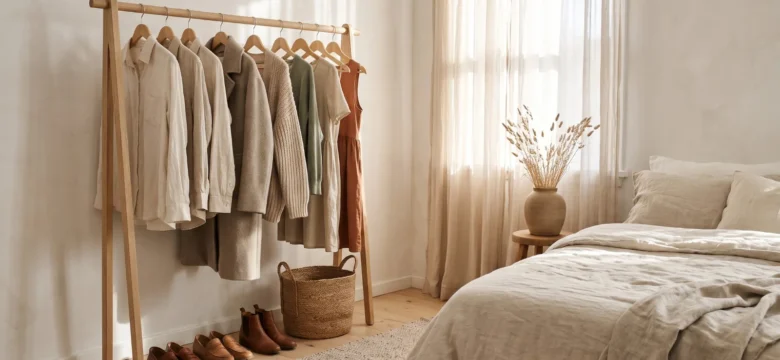
Slow fashion is more than a trend; it is a quieter, more intentional way of choosing, wearing and caring for clothes. In a world of weekly drops, flash sales and overflowing wardrobes, many people are realising that owning more does not make getting dressed easier or more joyful. It invites you to buy less, choose better and keep your clothes for longer, so that every piece in your wardrobe earns its place.
It is closely connected to the wider philosophy of slow living: doing fewer things with more attention, valuing quality time and making choices that feel good for you and for the world around you. This guide explains what the movement really means, why it matters and how you can build a mindful wardrobe step by step, without perfectionism and without starting from scratch.
What Is Slow Fashion?
It is an approach to clothing that prioritises quality, longevity and awareness over speed and volume. Instead of following every micro-trend, it focuses on timeless designs, durable materials and fair production. The term is often used as the opposite of fast fashion, a business model built on rapid production cycles and low prices.
At its heart, this mindset asks three simple questions before every purchase: Do I really need this? Will I wear it many times? Do I know where and how it was made? These questions do not demand that you stop shopping; they simply help you shop with intention.
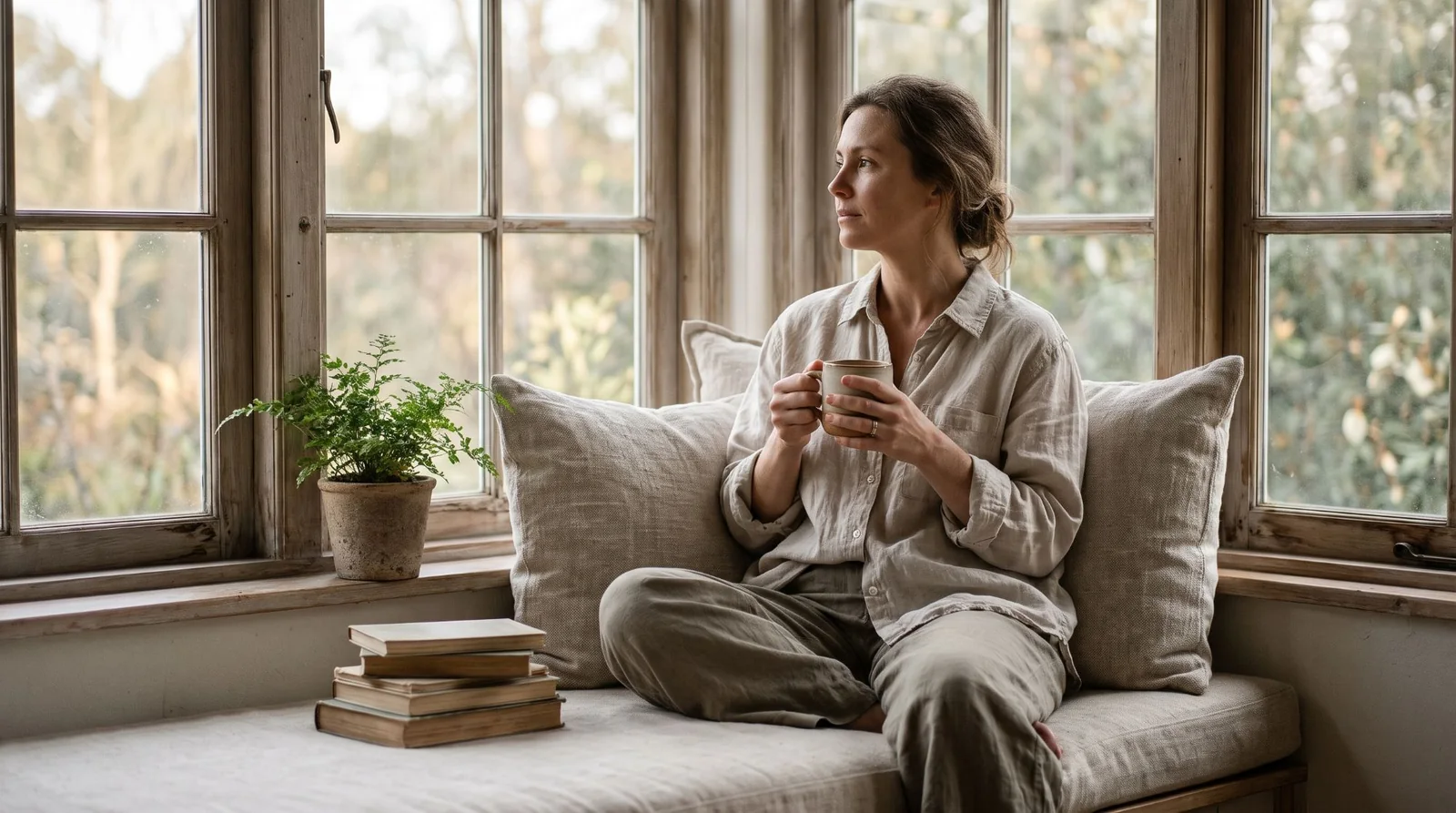
Slow Living and Slow Fashion: A Natural Pair
Slow living encourages us to step back from constant rushing and to appreciate everyday moments: a long breakfast, a walk without a destination, a home filled with objects we love. Clothing is part of that everyday experience. When your wardrobe is calm, curated and full of pieces you genuinely enjoy, mornings become simpler and decisions lighter.
Both philosophies share the same values: presence, gratitude, craftsmanship and respect for resources. Building a mindful wardrobe is often the most visible and practical way to bring slow living into your daily routine.
Why Slow Fashion Matters
- Environmental impact: Producing clothing uses large amounts of water, energy and raw materials. Wearing items longer and buying fewer new ones reduces that footprint.
- Better quality: Well-made garments keep their shape, colour and comfort for years.
- Financial sense: A higher upfront price can mean a lower cost per wear over time.
- Personal style: When you stop chasing trends, your own aesthetic becomes clearer and more confident.
- Supporting makers: Choosing small, transparent brands helps artisans and ethical producers thrive.
Organisations such as the Ellen MacArthur Foundation explore how a more circular fashion system could keep clothes in use longer and reduce waste, offering useful context for anyone curious about the bigger picture.
How to Build a Mindful Wardrobe in 7 Steps
1. Start with what you already own
The most sustainable wardrobe is the one already hanging in your closet. Take everything out and sort it into four piles: love and wear, need repair, rarely wear, and ready to pass on. This simple audit reveals your true style, the gaps in your wardrobe and the habits that led to unworn purchases. A mindful wardrobe begins with appreciation, not with a shopping list.
2. Define your personal style
Look at the pieces you reach for again and again. What colours, shapes and fabrics do they have in common? Create a small mood board or write down three words that describe how you want to feel in your clothes, such as “relaxed, elegant, natural”. These words will guide every future decision.
3. Build a capsule wardrobe
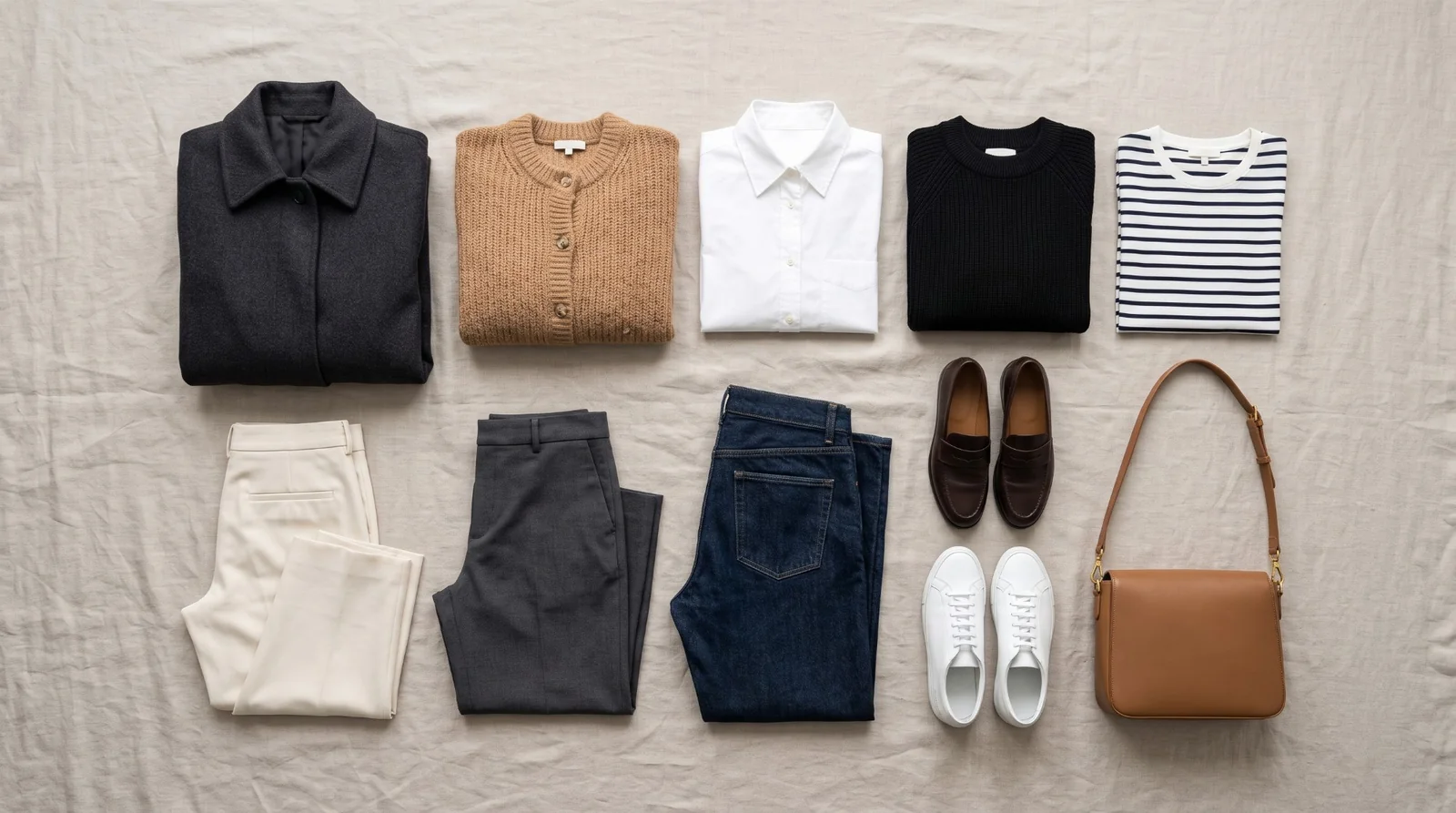
A capsule wardrobe is a compact collection of versatile pieces that mix and match effortlessly. A good capsule often includes a few neutral bottoms, simple tops, a knit or two, one great jacket and comfortable shoes. Choosing a cohesive colour palette makes it easy to create many outfits from fewer items, which is exactly what a mindful wardrobe aims for.
4. Choose quality materials
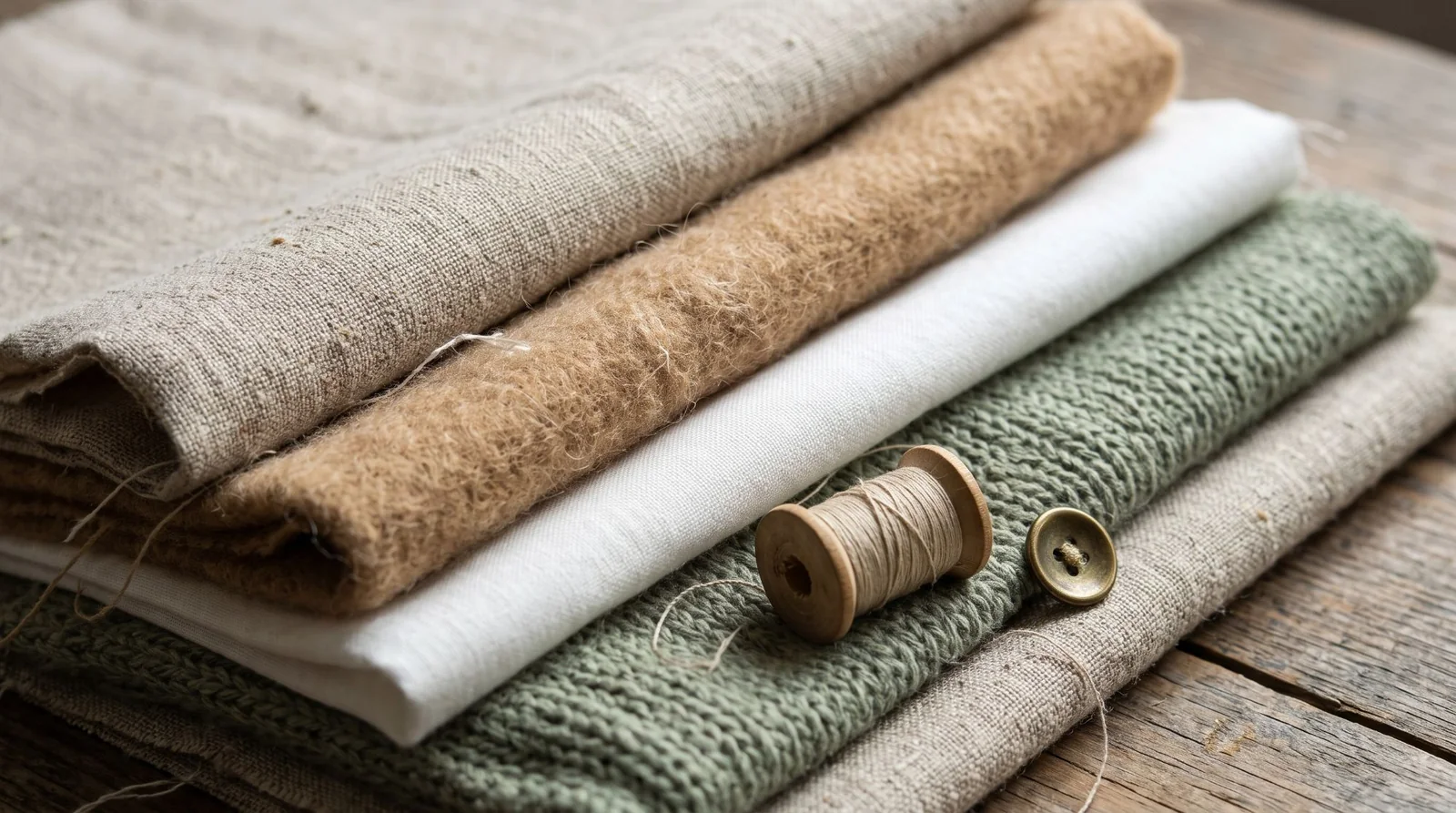
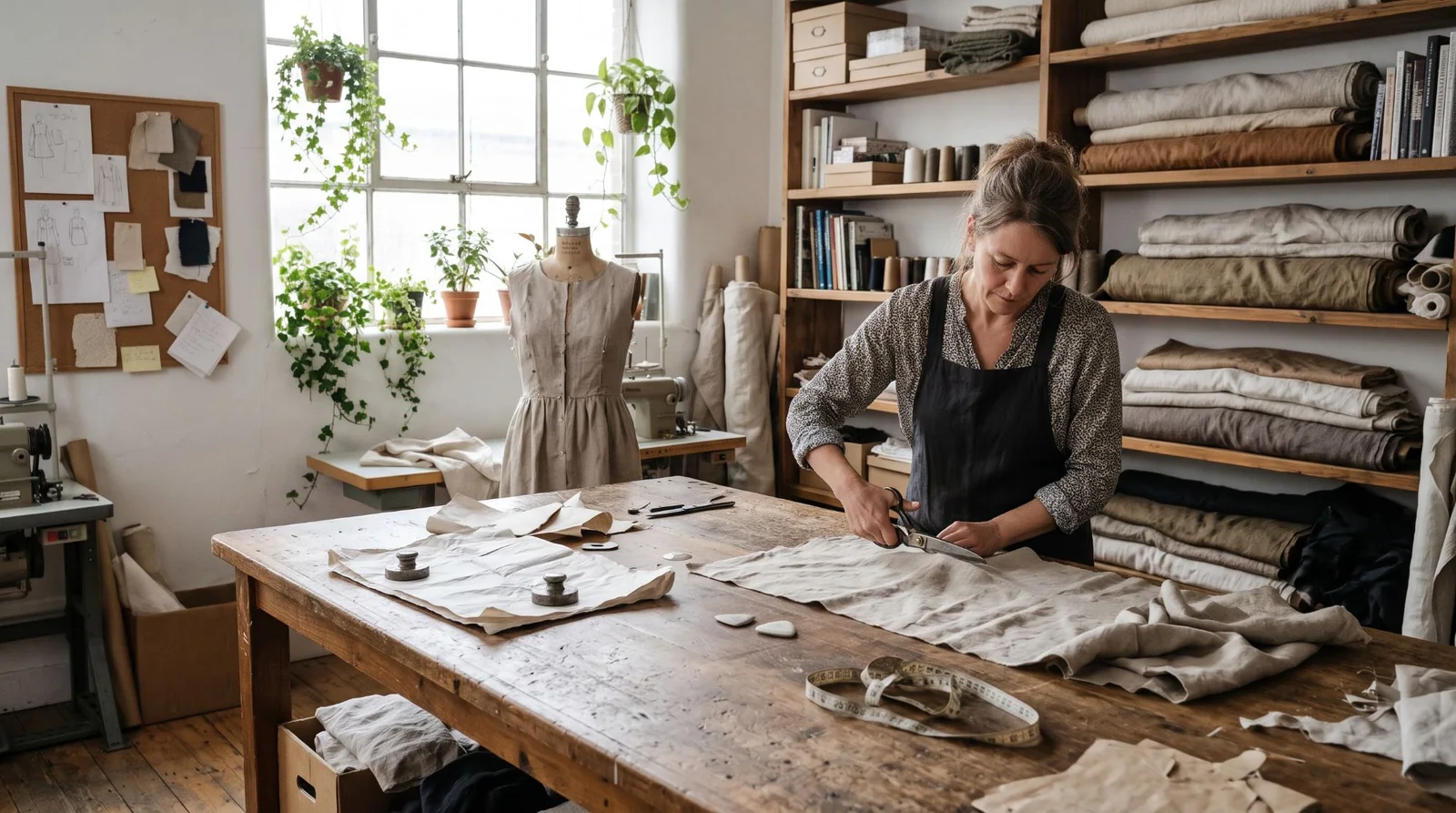
Natural and durable fabrics such as linen, organic cotton, wool and responsibly sourced leather tend to age beautifully when cared for properly. Before buying, check the seams, buttons and fabric weight. A well-constructed garment feels substantial and holds its shape on the hanger.
5. Practise the 30-wear test
Before buying something new, ask yourself whether you can imagine wearing it at least 30 times. If the answer is no, it may be a trend purchase that will soon sit unworn. This simple rule is one of the most effective slow fashion habits.
6. Care for your clothes
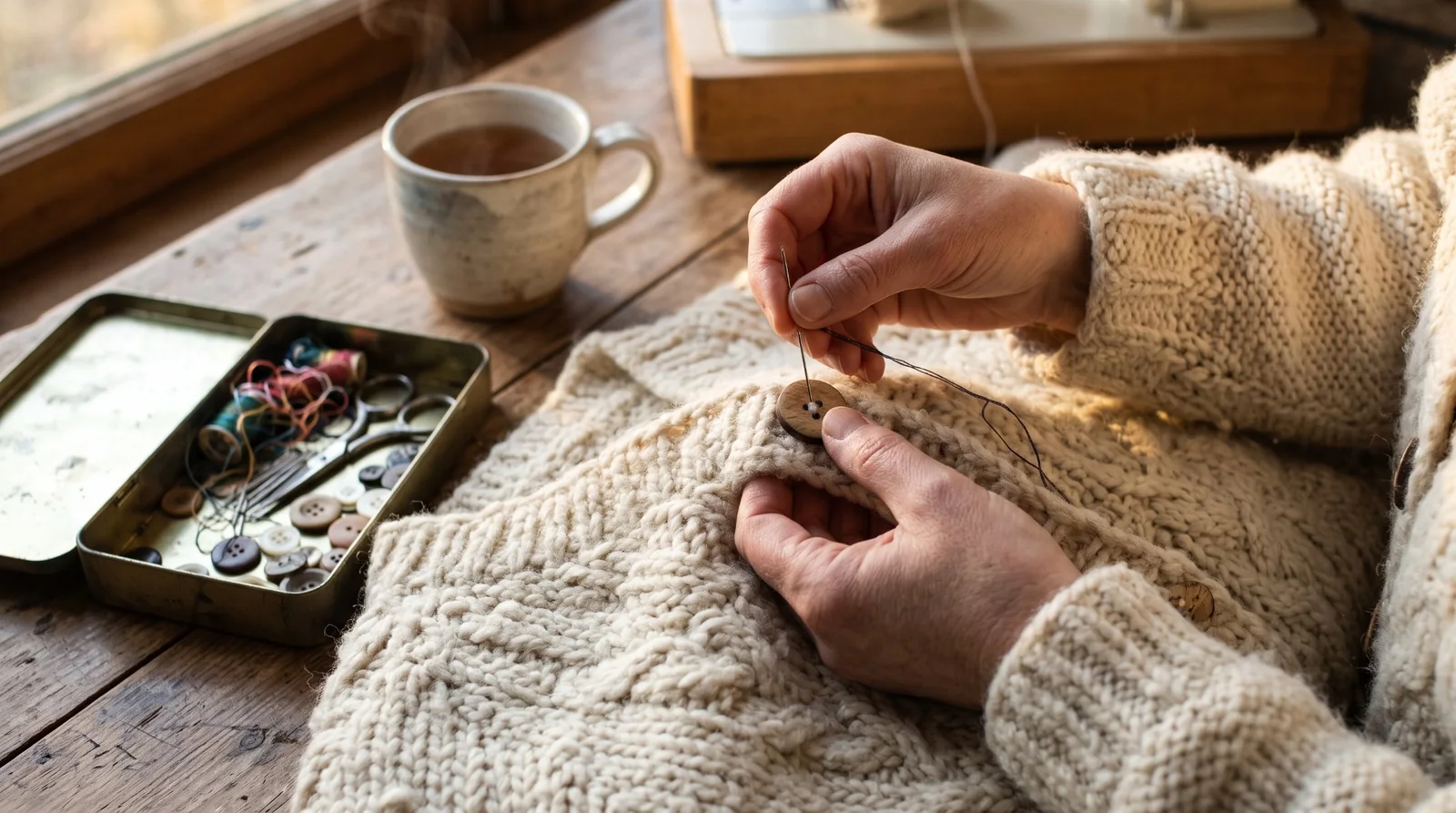
Caring well for clothes is a quiet act of slow living. Wash less often and at lower temperatures, air-dry whenever possible, fold knitwear instead of hanging it, and learn basic mending such as sewing on a button. Small habits like these can add years to the life of a garment.
7. Shop with intention
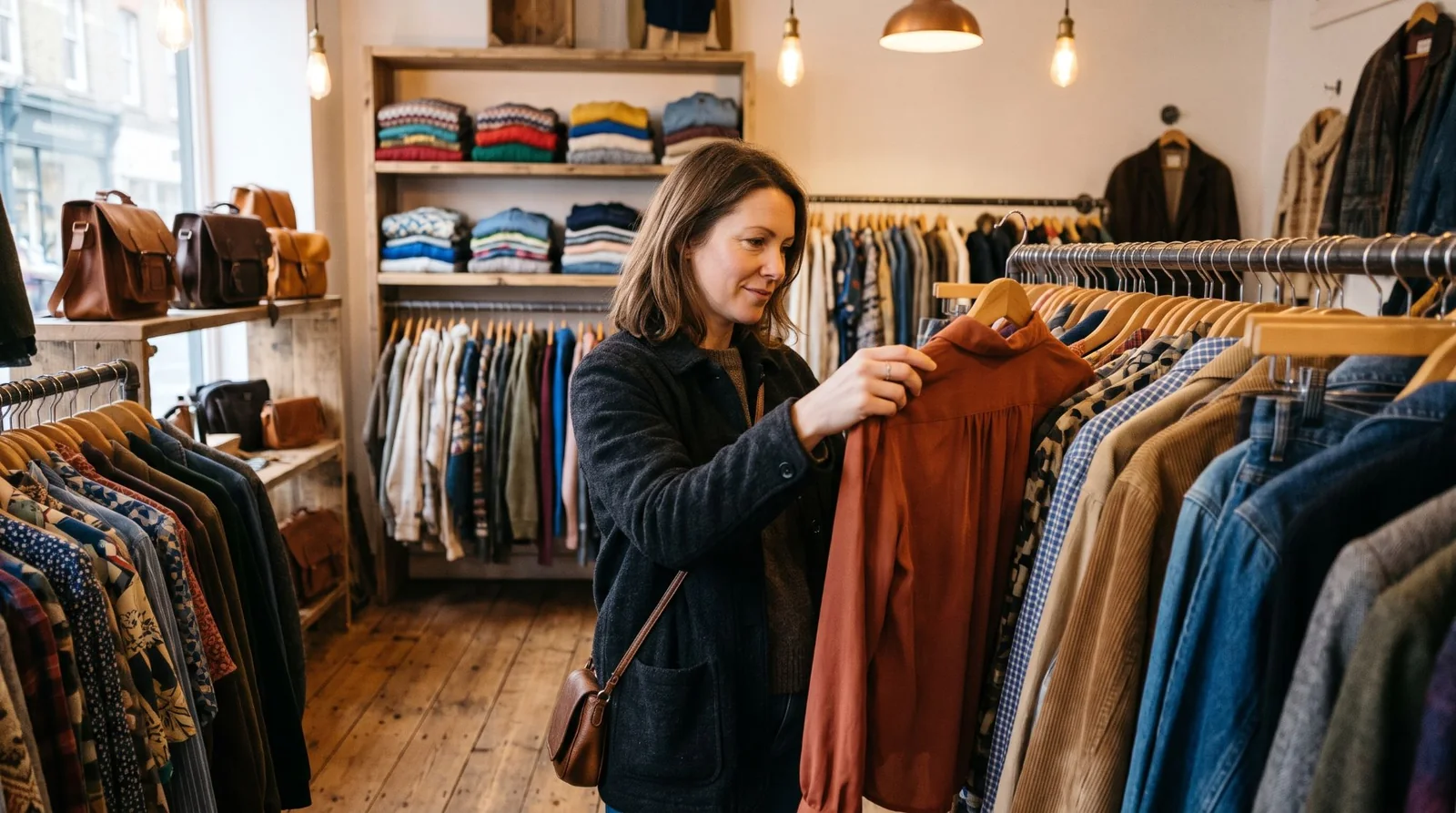
When you do buy, choose brands that are transparent about materials and production. Consider second-hand and vintage pieces, swap clothes with friends, or rent outfits for special occasions. Supporting independent designers is another meaningful choice; you can discover a selection of them in our Turkish-language feature on rising local fashion brands.
Slow Fashion Habits for Everyday Life
- Keep a wish list and wait 30 days before buying non-essential items.
- Unsubscribe from promotional emails that encourage impulse shopping.
- Rewear outfits proudly; repetition is a sign of a well-loved wardrobe.
- Repair before replacing, and find a local tailor you trust.
- Donate, resell or recycle clothes responsibly when you no longer need them.
These habits turn the idea into a lifestyle. They also tend to save time and money, leaving more space for the experiences that slow living celebrates.
Common Myths About Slow Fashion
“Slow fashion is only for people with big budgets.”
Not at all. Wearing what you already own, buying second-hand and choosing fewer, better pieces are among the most affordable approaches to dressing.
“A mindful wardrobe has to be minimalist and beige.”
A mindful wardrobe reflects you. It can be colourful, bold or playful; what matters is that you love and wear what you own.
“One person’s choices make no difference.”
Every garment worn longer is one less produced. Personal choices also influence friends, families and, over time, the brands that listen to their customers.
If you would like to learn more about the trends and philosophy shaping responsible fashion, our Turkish-language guide to sustainable fashion trends and philosophy offers further reading.
A Note for Fashion Brands
More and more consumers are looking for brands that share slow fashion values: transparency, craftsmanship and honest storytelling. Brands that communicate these values with authentic visuals and thoughtful content build deeper trust with their audiences. For small labels, producing beautiful campaign imagery does not always require large photo shoots; AI-assisted production studios such as BarDi AI Studio can create cinematic visuals from existing product photos while keeping every product detail true to life.
Frequently Asked Questions
What is the difference between slow fashion and sustainable fashion?
Sustainable fashion focuses mainly on environmental and social impact in production. Slow fashion includes these concerns but also emphasises consumer habits: buying less, wearing longer and valuing each piece.
How many items should a capsule wardrobe have?
There is no fixed number. Many people start with 30 to 40 pieces per season, including shoes and outerwear, and adjust according to their lifestyle and climate.
How can I start slow fashion today?
Begin by wearing something you have not worn in months, repairing one item that needs attention, and pausing before your next purchase. Small steps are the essence of slow fashion.
Final Thoughts
Slow fashion is not about perfection or strict rules; it is about reconnecting with your clothes and the stories behind them. By appreciating what you own, defining your style, choosing quality, caring for every piece and shopping with intention, you create a wardrobe that feels calm, personal and truly yours. Combined with the gentle rhythm of slow living, it becomes a daily reminder that less, chosen well, can bring more joy.
Are you a conscious fashion or lifestyle brand with a story to share? Contact ModadaModa to feature your brand in a sponsored story.